
Book a Private Jet for Pet Relocation Worldwide
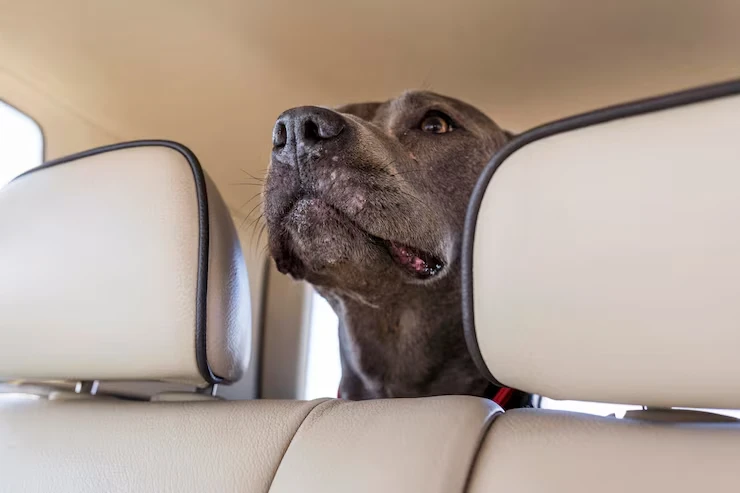
When you need to book a private jet for pet relocation, you are not buying a seat. You are securing control over safety, timing, compliance, and comfort across international borders.
At Pearl Lemon Jets, we coordinate high-value, multi-jurisdiction pet transport for clients moving between London, Dubai, New York, Los Angeles, Singapore, Zurich, and other global hubs where regulatory friction and airline restrictions create real risk.
Private aviation removes the single biggest failure point in pet relocation: cargo handling. Pets travel in-cabin, under direct supervision, within a controlled environment that reduces stress and eliminates airline limitations.
Our Services
Relocating pets by private jet is not a single transaction. It is a controlled sequence of aviation planning, veterinary compliance, and international logistics where timing, documentation, and aircraft selection must align without error. One weak link can result in denied boarding, extended holding times, or forced quarantine at the destination.
We manage the full chain with precision expected by high-value clients moving between global hubs such as London, New York, Dubai, Los Angeles, Paris, and Singapore.
Aircraft Matching for Pet Transport Requirements
Aircraft selection is not based on availability alone. It is based on cabin configuration, pet size, number of animals, route duration, and environmental control requirements. A short-haul flight from London to Geneva requires a very different setup compared to a transatlantic sector from New York to London or a long-haul relocation from Dubai to Singapore.
We assess crate dimensions, in-cabin movement requirements, airflow distribution, and seating layout before confirming any aircraft. Light jets may suit single-pet European transfers, while heavy jets or VIP-configured airliners are required for larger breeds, multiple pets, or long-haul relocation. Cabin zoning is structured to prevent overcrowding and allow stable positioning during turbulence.
This approach reduces in-flight stress indicators commonly observed in animals during transport and eliminates last-minute aircraft rejection due to unsuitable layouts. It also ensures that temperature and pressurisation conditions remain consistent across the entire journey, which is critical for breeds sensitive to environmental changes.
International Pet Relocation Compliance Management
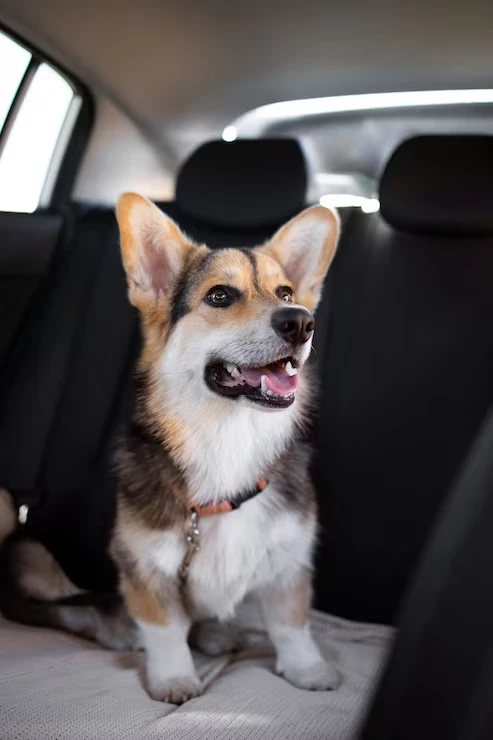
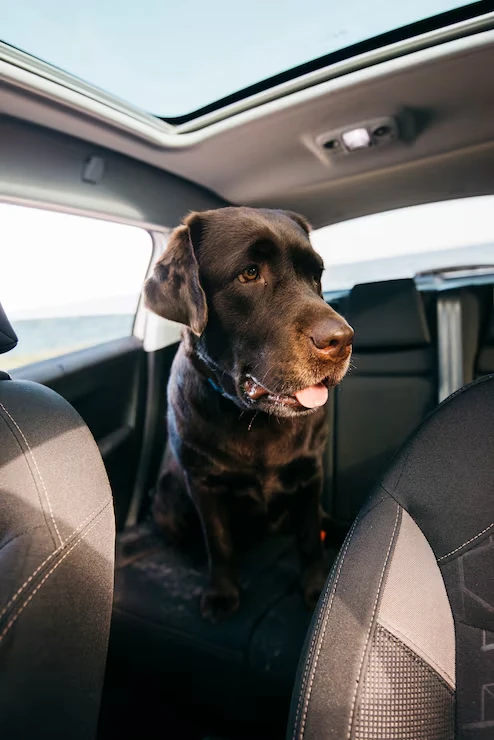
Cross-border pet relocation is governed by strict import frameworks that vary across the UK, EU, UAE, USA, and Asia. A single discrepancy in rabies vaccination timing, microchip registration, or health certification can result in refusal at entry points such as Heathrow, JFK, or Dubai International.
We coordinate the full compliance process, including microchip verification, rabies titre testing where required, veterinary health certificates, and import permits. Documentation is aligned with regulatory bodies such as DEFRA in the UK and USDA requirements for US entry.
Timing is managed carefully. Vaccination windows, certificate validity periods, and pre-flight health checks must align with the scheduled departure. Missing these windows can delay relocation by weeks. Our system ensures that every document is validated before departure, reducing the risk of quarantine or re-export at the destination.
In-Cabin Pet Travel Planning
Cargo transport remains the default for commercial airlines, which introduces separation, noise exposure, and temperature variability. Private aviation removes that variable entirely by keeping pets in the cabin.
We plan in-cabin positioning based on pet size, behaviour, and duration of flight. Feeding schedules are structured to prevent nausea, hydration is monitored throughout the journey, and rest positioning is planned to minimise movement stress. For longer flights, we incorporate scheduled breaks where feasible, depending on routing.
Owners maintain visibility and proximity to their pets at all times. This reduces anxiety for both the animal and the owner, particularly during long-haul flights exceeding six hours. The cabin environment remains controlled, with consistent temperature and reduced noise compared to commercial aircraft cargo holds.
Multi-City and Cross-Continent Relocation Logistics
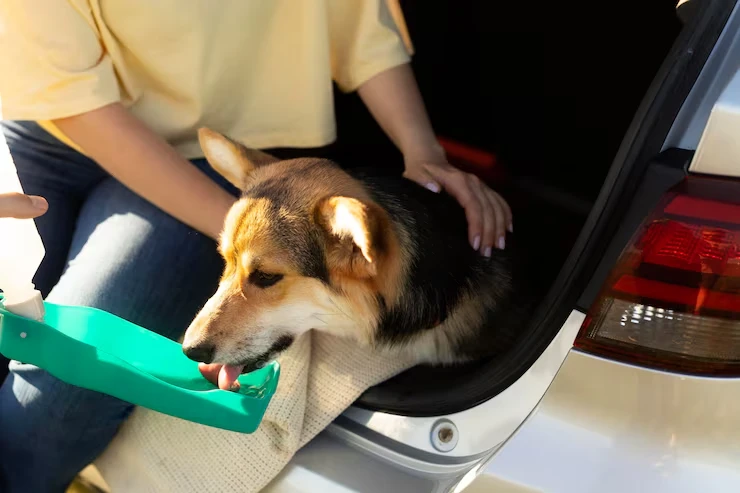
Relocations between major global cities often involve more than a single flight. Routes such as Los Angeles to London, Paris to Dubai, or Singapore to New York require coordination across time zones, customs authorities, and private terminal networks.
We design routing strategies that prioritise direct flights where possible, or carefully structured fuel stops when required. Each stop is evaluated based on ground handling efficiency, customs clearance procedures, and animal welfare considerations.
Private terminals and Fixed Base Operators reduce congestion and eliminate exposure to commercial airport handling processes. This results in fewer touchpoints, faster boarding and disembarkation, and more predictable arrival schedules. In many cases, total transit time is reduced significantly compared to commercial routing options, which directly impacts pet comfort and compliance timing.
Breed-Specific and High-Risk Pet Handling
Certain breeds face restrictions in commercial aviation due to respiratory sensitivity, particularly brachycephalic dogs such as bulldogs and pugs. These restrictions are not arbitrary. They are based on documented risks associated with temperature fluctuations and reduced oxygen levels.
Private jet relocation allows full control over cabin pressure and temperature settings. We select aircraft and flight profiles that maintain stable environmental conditions suited for sensitive breeds. This includes avoiding unnecessary altitude changes and ensuring consistent airflow throughout the cabin.
This approach enables safe relocation for pets that would otherwise be refused by commercial carriers. It also reduces the likelihood of respiratory distress during long-haul flights, which is a critical factor for high-risk breeds.

End-to-End Pet Relocation Coordination
Pet relocation involves multiple stakeholders: veterinarians, aviation operators, ground transport providers, and customs authorities. Without central coordination, delays and miscommunication are common.
We operate as the single point of accountability across the entire relocation process. Pre-flight preparation includes documentation verification and scheduling. Flight execution is coordinated with the operator and ground teams. Post-arrival clearance is managed to ensure smooth entry into the destination country.
This structure reduces coordination time significantly and removes the burden from the client. Timelines are clearly defined, and each stage of the process is tracked to ensure compliance and punctual execution. The result is a controlled relocation process rather than a fragmented series of bookings.
Onboard Pet Care and Comfort Planning
Long-haul flights introduce physiological challenges for animals, including dehydration, fatigue, and anxiety. These factors must be managed proactively rather than reactively.
We establish feeding protocols based on flight duration and pet requirements. Hydration is monitored throughout the journey, and rest areas are structured to allow pets to settle comfortably. For larger animals, positioning within the cabin is planned to allow natural posture and limited movement without compromising safety.
Onboard supplies are prepared in advance, including bedding, water systems, and any required medication. This level of preparation ensures that pets arrive in stable condition, reducing recovery time after landing.

Shared and Full Charter Structuring
Cost remains a consideration, particularly for long-haul private jet travel, where full charter rates can reach six figures depending on aircraft and route. We structure both full charter and shared charter options to provide flexibility.
Shared charters are arranged on high-demand routes such as London to New York, Paris to Dubai, and Los Angeles to Miami. This allows multiple clients to share the cost of a single aircraft while maintaining in-cabin travel for their pets.
For clients requiring full control over schedule and cabin environment, dedicated charter options remain available. The choice between shared and full charter is structured based on timeline, budget, and number of pets being relocated.
Why Clients Choose This Approach
Private jet pet relocation is not about luxury positioning. It is about risk control.
Operational Advantages
Direct scheduling without airline constraints
Private terminals reduce noise and crowd exposure
Full control over cabin environment
No breed or weight restrictions are typical in commercial aviation
Commercial and Practical Value
Reduced relocation delays
Elimination of cargo handling risks
Predictable logistics for high-value clients
Suitable for executives, founders, expatriates, and family offices relocating globally


Industry Statistics That Matter
- Over 50% of airline pet transport occurs via cargo systems for international routes.
- Brachycephalic breeds face restrictions on most commercial carriers
- Private aviation reduces transit handling points by up to 70%
- Pet relocation errors are most commonly linked to documentation timing issues
FAQs
Find quick answers to common jets questions here.
How does private jet pet relocation differ from airline transport?
Pets remain in the cabin rather than cargo, with full environmental control and reduced handling risk.
What documents are required for international pet relocation?
Typically, microchip identification, rabies vaccination, health certificates, and import permits depending on the destination.
Can multiple pets travel on the same private jet?
Yes. Aircraft selection determines capacity. Heavy jets and VIP airliners accommodate multiple animals.
Are there restrictions based on breed or size?
Private aviation removes most airline restrictions, particularly for large or sensitive breeds.
How far in advance should relocation be planned?
Minimum 2–6 weeks, depending on destination requirements and vaccination timelines.
Can you coordinate relocation between continents?
Yes. Common routes include the USA to Europe, the UK to the UAE, and Asia to North America.
How is pet safety managed during the flight?
Through controlled cabin conditions, secure placement, and predefined care protocols.
Do pets need to remain in carriers?
Depends on operator rules, but many allow controlled in-cabin movement for larger animals.
What airports are typically used?
Private terminals and FBOs across major global hubs such as London, New York, Dubai, and Geneva.
Secure Your Pet’s Relocation Without Compromise
Delays, denied entry, and cargo risks are not minor inconveniences. They are failures in planning.
When you book a private jet for pet relocation, you remove uncertainty, control timing, and ensure your pet travels under conditions designed for safety, not airline convenience.
If the relocation matters, the method matters.